Choosing an office water dispenser sounds simple until you start comparing options. Some units cost less upfront but lock you into expensive jug deliveries. Others promise advanced filtration but leave out the contaminants that actually matter. Before you sign a contract or place an order, here is what to evaluate.
Filtration That Removes What Tap Water Leaves Behind
The single most important feature of any office water dispenser is what it filters out. Municipal tap water is treated to federal safety standards, but those standards are still catching up to what we know about emerging contaminants. In April 2024, the EPA finalized the first-ever national drinking water standard for PFAS, the class of “forever chemicals” linked to cancer, liver damage, and developmental issues. Public water systems have until 2031 to comply.
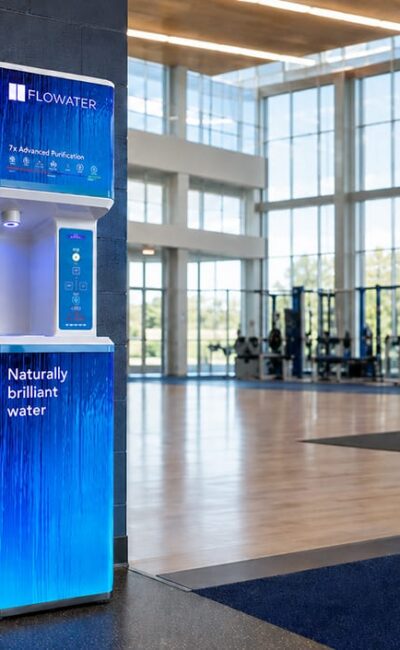
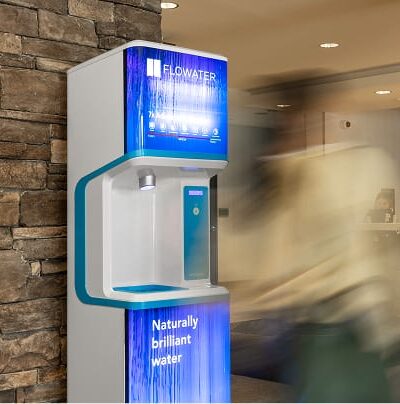
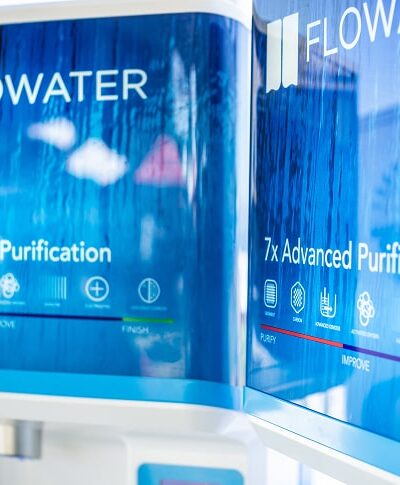
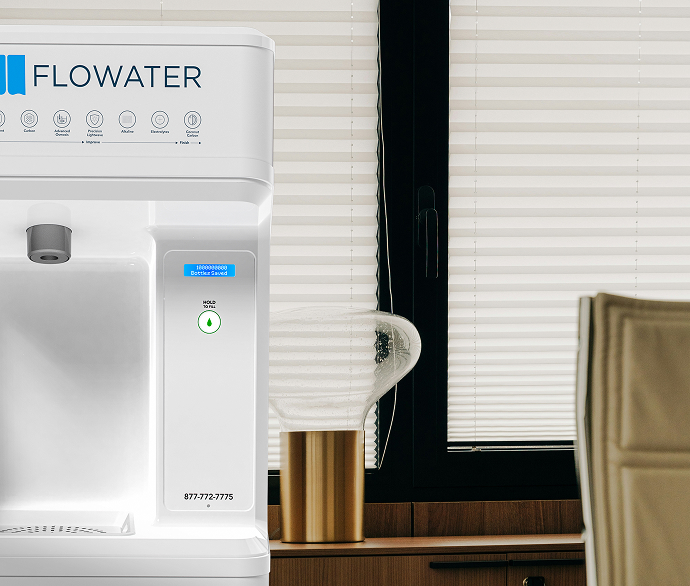
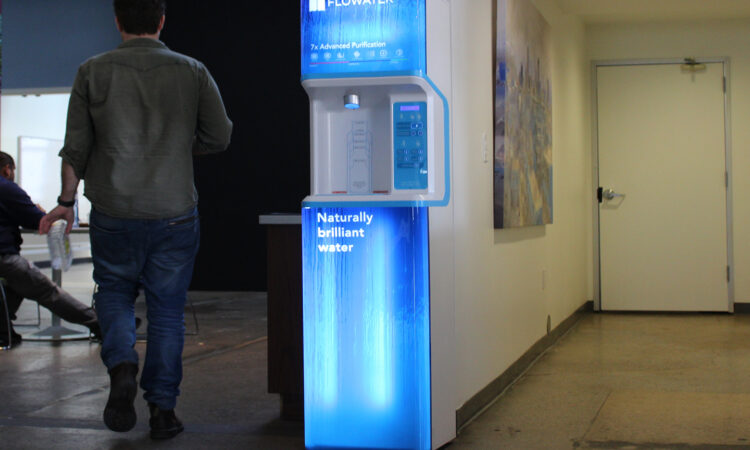
That means many offices are still serving tap water containing PFAS, lead, microplastics, chlorine byproducts, and pharmaceutical residues at levels above the new MCLs. A basic carbon filter will improve taste, but it will not address most of those contaminants. Look for multi-stage purification that includes activated carbon plus advanced filtration capable of removing PFAS, lead, and microplastics. FloWater’s 7x Advanced Purification removes up to 99.9% of contaminants across all those categories.
Bottleless Beats Bottled on Almost Every Metric
A traditional 5-gallon jug cooler made sense decades ago when plumbed-in alternatives were rare. Today the math rarely works in its favor. Jugs cost $250 to $450 per month for a 30-person office once you factor in delivery, storage space, and the staff time spent swapping 42-pound bottles. They also create an open reservoir that needs regular sanitizing and generates 400 to 600 plastic jugs of waste per office per year.
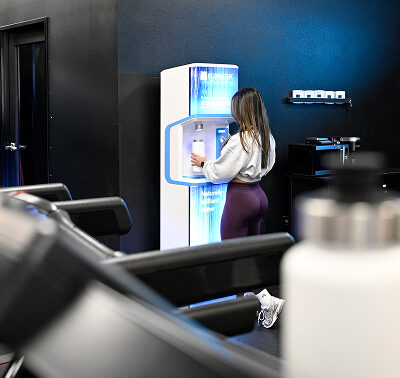
A bottleless dispenser connects directly to your existing water line and filters on demand. There is no delivery schedule, no jug storage, and no exposed reservoir. For offices tracking ESG metrics or pursuing LEED certification, the plastic reduction alone is a meaningful win.
Capacity Matched to Your Team
A unit that handles 40 cups per day will struggle in a 50-person office. Before choosing a model, estimate your real demand: employees, regular guests, meeting rooms, and peak times like post-lunch hours. Most manufacturers publish gallons-per-day specs. Match the spec to your headcount with a buffer for growth, and consider placing a second unit in larger floorplates to avoid lines at the dispenser.
Touchless Dispensing and Hygiene Standards
Post-2020, touchless dispensing moved from nice-to-have to expected. Sensor-activated nozzles eliminate a high-touch surface that hundreds of employees share daily. Look for units with sealed internal water paths, antimicrobial nozzle materials, and self-cleaning cycles. These details matter more than the marketing on the front of the unit.
Temperature Options
Most offices need at least chilled and ambient water. Hot water is worth the upgrade if your team uses it for tea, instant oatmeal, or French press coffee. Some premium units add still-and-sparkling, which can replace a soda subscription entirely. Decide what your team will actually use before paying for features that sit idle.
Total Cost of Ownership, Not Sticker Price
A bottleless dispenser usually has a higher monthly fee than a basic jug cooler at first glance. But once you add jug delivery costs, the storage footprint, the labor of swapping jugs, and the hidden cost of running out, bottleless systems typically come in 30 to 50 percent lower over a 12-month period.Check out our free ROI calculator to see what you could save, and ask for a written quote that includes installation, filter changes, and service visits so you can compare apples to apples.
Service and Filter Replacement
Filters are not optional. Carbon stages need replacement every 6 to 12 months, and reverse osmosis membranes last roughly two years. Ask any vendor whether filter swaps and routine maintenance are included in the monthly fee or billed separately. Surprise service charges are the most common complaint with low-cost office water vendors.
Ready to Upgrade Your Office Water?
The right office water dispenser pays for itself in cost savings, employee satisfaction, and one less thing for your office manager to think about. If you want to see how FloWater compares for your specific office size and water source, request a free demo and taste the difference before you commit.