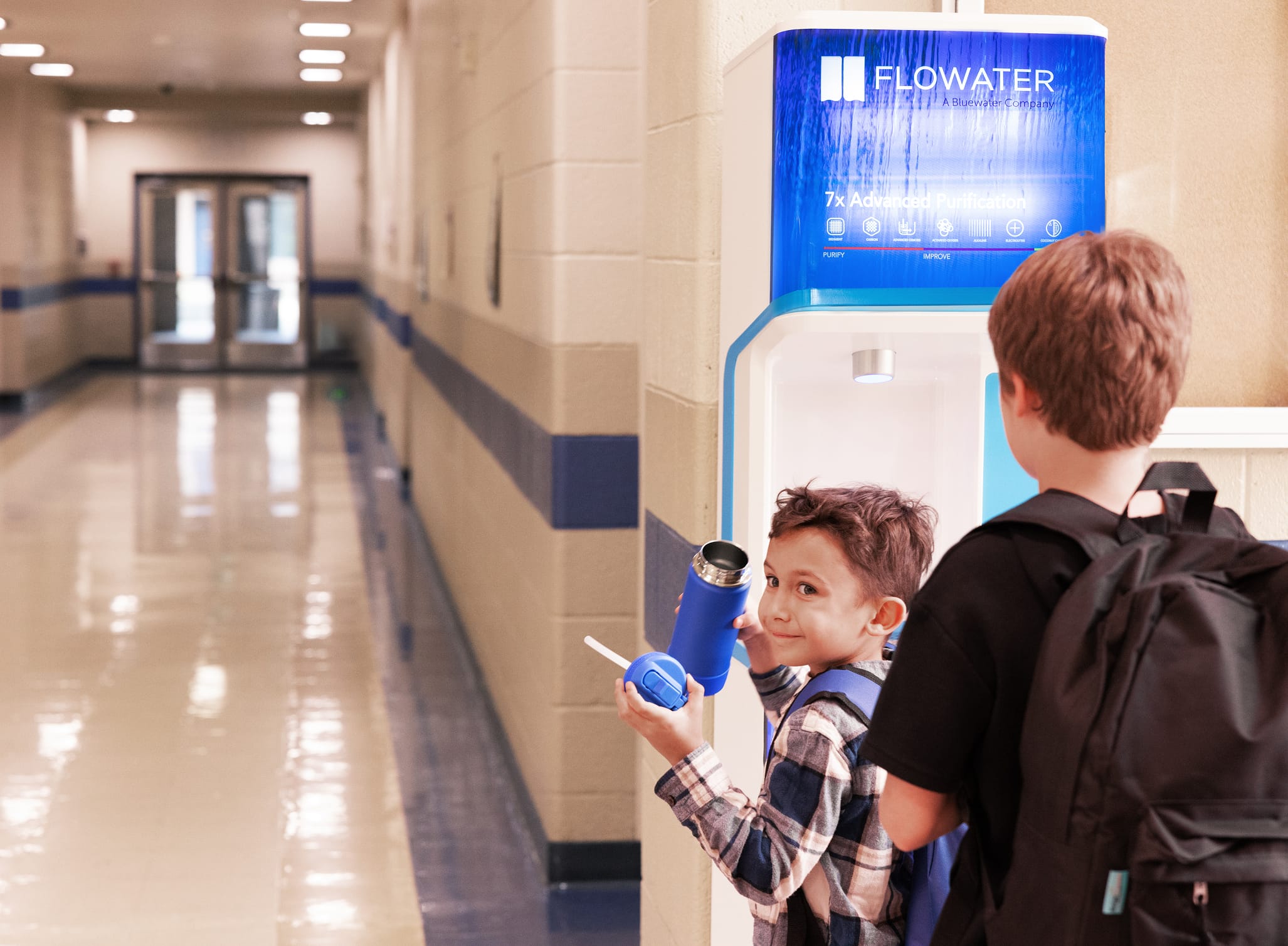
Your school may already qualify for funding
Across the country, schools are actively using federal grants, state infrastructure programs, and public health funding to upgrade drinking water access on campus.
Many districts don’t realize that clean drinking water projects—including bottle filling stations, water infrastructure improvements, hydration upgrades, and lead reduction initiatives—can often qualify for existing funding programs.
This guide was built to help school leaders, facility teams, athletic departments, nutrition directors, operations teams, and administrators understand:
- What school water funding programs exist
- Which programs may apply to your district
- Where to find your state’s funding resources
- How schools are using funds to improve hydration access
- How FloWater may fit into broader water quality and student wellness initiatives
Whether you’re replacing outdated fountains, addressing water quality concerns, modernizing student amenities, or reducing bottled water usage, there may already be funding available to help.
National Funding Programs for School Water Infrastructure
1. WIIN Grant Program (Water Infrastructure Improvements for the Nation Act)
The WIIN Act provides federal funding to help schools and childcare facilities reduce lead exposure in drinking water.
Many states administer these funds directly through environmental or public health agencies.
What the program can support
- Water quality improvements
- Drinking water remediation
- Replacement of aging fixtures
- Bottle filling stations and hydration upgrades
- Water testing initiatives
Learn more
- EPA WIIN Grant Overview:
https://www.epa.gov/dwcapacity/wiin-grant-small-and-disadvantaged-communities - EPA Voluntary School and Child Care Lead Testing Program:
https://www.epa.gov/ground-water-and-drinking-water/3ts-reducing-lead-drinking-water-toolkit
2. Bipartisan Infrastructure Law (BIL)
The Bipartisan Infrastructure Law allocated billions toward water infrastructure modernization across the United States.
States receive funding that may support:
- Drinking water improvements
- Lead service line replacement
- School hydration access
- Water infrastructure modernization
- Public health-focused water initiatives
Learn more
- EPA Bipartisan Infrastructure Law Funding:
https://www.epa.gov/infrastructure - Drinking Water State Revolving Fund (DWSRF):
https://www.epa.gov/dwsrf
3. ESSER Funds (Elementary and Secondary School Emergency Relief)
Some districts continue to leverage remaining ESSER-related facility and student wellness investments to improve campus infrastructure and student health initiatives.
Depending on local availability and deadlines, schools may still have opportunities to allocate remaining funds toward hydration and wellness-focused projects.
Learn more
- U.S. Department of Education ESSER Information:
https://oese.ed.gov/offices/education-stabilization-fund/elementary-secondary-school-emergency-relief-fund/
4. USDA Grants & Rural Development Programs
USDA programs can help rural schools and underserved communities fund facility improvements and infrastructure modernization.
Potential eligible uses
- Facility upgrades
- Public health initiatives
- Water infrastructure improvements
- Community wellness investments
Learn more
- USDA Community Facilities Programs:
https://www.rd.usda.gov/programs-services/community-facilities - USDA Water & Environmental Programs:
https://www.rd.usda.gov/programs-services/water-environmental-programs
5. CDC & Public Health Initiatives
Some state and local health agencies administer grants connected to student wellness, hydration access, obesity prevention, or environmental health.
These programs vary widely by state but may support projects that encourage healthier hydration habits on campus.
Learn more
- CDC Healthy Schools:
https://www.cdc.gov/healthyschools/index.htm
What Types of School Projects May Qualify?
Funding eligibility varies by state and program, but schools commonly pursue grants and infrastructure support for:
- Replacing outdated drinking fountains
- Improving student hydration access
- Lead reduction and remediation
- Water quality upgrades
- Sustainability initiatives
- Bottle filling stations
- Campus wellness improvements
- Athletic hydration stations
- Cafeteria and commons upgrades
- Public health-focused infrastructure improvements
State-by-State School Water Funding Resources
Many school water funding opportunities are administered at the state level.
Below is a starting point to help your district identify local grants, infrastructure funding, environmental programs, and school drinking water initiatives.
Why Schools Are Prioritizing Better Drinking Water
Across the country, districts are rethinking what school hydration should look like.
Families are increasingly aware of:
- Aging water infrastructure
- Lead contamination concerns
- Student wellness and hydration
- Plastic bottle waste
- The role hydration plays in focus and performance
At the same time, schools want solutions that are:
- Easy to install
- Simple to maintain
- Trusted by students
- Visually modern
- Sustainable
- Built for high traffic environments
That’s why many schools are moving beyond traditional drinking fountains and exploring hydration solutions that students actually want to use.
How FloWater Fits Into School Wellness & Infrastructure Goals
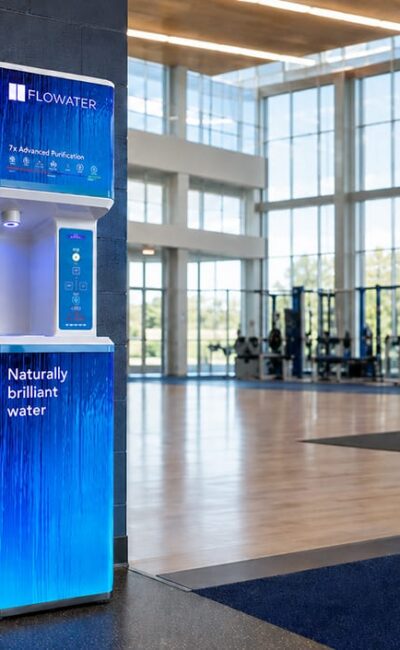
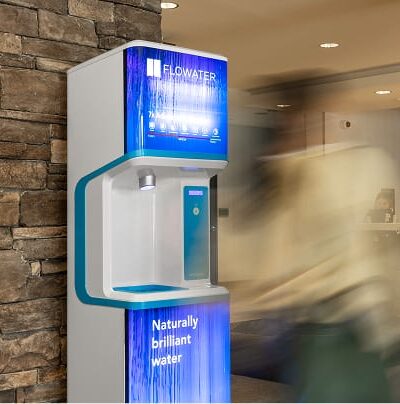
FloWater helps schools modernize hydration access with:
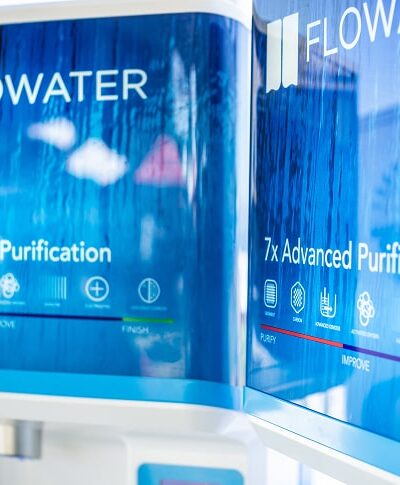
- Advanced purification technology
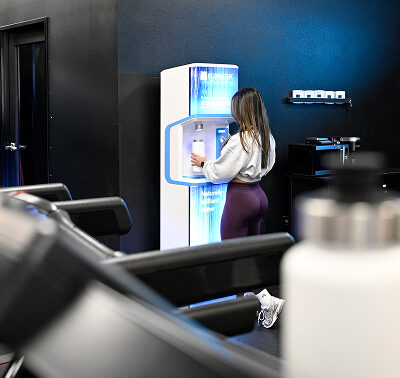
- Cold, great-tasting water students actually choose to drink
- Bottle refill functionality
- Minimal installation disruption
- Sustainability benefits through reduced single-use plastic
- High-capacity systems designed for busy campuses
Schools across the country—from large urban districts to smaller community schools—are using FloWater to create healthier, more trusted hydration experiences for students, staff, and visitors.
Alabama
- Alabama Department of Environmental Management:
https://adem.alabama.gov
Alaska
- Alaska Department of Environmental Conservation:
https://dec.alaska.gov
Arizona
- Arizona Department of Environmental Quality:
https://www.azdeq.gov
Arkansas
- Arkansas Department of Health:
https://healthy.arkansas.gov
California
- California State Water Resources Control Board:
https://www.waterboards.ca.gov/drinking_water/programs/ - California Schools Healthy Air, Plumbing, and Efficiency Program:
https://dgs.ca.gov/Resources/SAM/TOC/100/181
Colorado
- Colorado Department of Public Health & Environment:
https://cdphe.colorado.gov
Connecticut
- Connecticut Department of Public Health Drinking Water Section:
https://portal.ct.gov/DPH/Drinking-Water/DWS/Drinking-Water-Section
Delaware
- Delaware Division of Public Health:
https://dhss.delaware.gov/dph/
Florida
- Florida Department of Environmental Protection:
https://floridadep.gov
Georgia
- Georgia Environmental Finance Authority:
https://gefa.georgia.gov
Hawaii
- Hawaii Department of Health:
https://health.hawaii.gov
Idaho
- Idaho Department of Environmental Quality:
https://www.deq.idaho.gov
Illinois
- Illinois Environmental Protection Agency:
https://epa.illinois.gov
Indiana
- Indiana Department of Environmental Management:
https://www.in.gov/idem/
Iowa
- Iowa Department of Natural Resources:
https://www.iowadnr.gov
Kansas
- Kansas Department of Health & Environment:
https://www.kdhe.ks.gov
Kentucky
- Kentucky Infrastructure Authority:
https://kia.ky.gov
Louisiana
- Louisiana Department of Health:
https://ldh.la.gov
Maine
- Maine Center for Disease Control & Prevention:
https://www.maine.gov/dhhs/mecdc
Maryland
- Maryland Department of the Environment:
https://mde.maryland.gov
Massachusetts
- Massachusetts Department of Environmental Protection:
https://www.mass.gov/orgs/massachusetts-department-of-environmental-protection
Michigan
- Michigan Department of Environment, Great Lakes, and Energy:
https://www.michigan.gov/egle
Minnesota
- Minnesota Department of Health:
https://www.health.state.mn.us
Mississippi
- Mississippi State Department of Health:
https://msdh.ms.gov
Missouri
- Missouri Department of Natural Resources:
https://dnr.mo.gov
Montana
- Montana Department of Environmental Quality:
https://deq.mt.gov
Nebraska
- Nebraska Department of Environment and Energy:
https://dee.ne.gov
Nevada
- Nevada Division of Environmental Protection:
https://ndep.nv.gov
New Hampshire
- New Hampshire Department of Environmental Services:
https://www.des.nh.gov
New Jersey
- New Jersey Department of Environmental Protection:
https://dep.nj.gov
New Mexico
- New Mexico Environment Department:
https://www.env.nm.gov
New York
- New York State Department of Health:
https://www.health.ny.gov/environmental/water/drinking/
North Carolina
- North Carolina Department of Environmental Quality:
https://www.deq.nc.gov
North Dakota
- North Dakota Department of Environmental Quality:
https://deq.nd.gov
Ohio
- Ohio Environmental Protection Agency:
https://epa.ohio.gov
Oklahoma
- Oklahoma Department of Environmental Quality:
https://www.deq.ok.gov
Oregon
- Oregon Health Authority Drinking Water Services:
https://www.oregon.gov/oha/ph/healthyenvironments/drinkingwater
Pennsylvania
- Pennsylvania Department of Environmental Protection:
https://www.dep.pa.gov
Rhode Island
- Rhode Island Department of Health:
https://health.ri.gov
South Carolina
- South Carolina Department of Health and Environmental Control:
https://scdhec.gov
South Dakota
- South Dakota Department of Agriculture & Natural Resources:
https://danr.sd.gov
Tennessee
- Tennessee Department of Environment & Conservation:
https://www.tn.gov/environment.html
Texas
- Texas Commission on Environmental Quality:
https://www.tceq.texas.gov
Utah
- Utah Department of Environmental Quality:
https://deq.utah.gov
Vermont
- Vermont Department of Environmental Conservation:
https://dec.vermont.gov
Virginia
- Virginia Department of Health Office of Drinking Water:
https://www.vdh.virginia.gov/drinking-water/
Washington
- Washington State Department of Health:
https://doh.wa.gov/community-and-environment/drinking-water
West Virginia
- West Virginia Department of Environmental Protection:
https://dep.wv.gov
Wisconsin
- Wisconsin Department of Natural Resources:
https://dnr.wisconsin.gov
Wyoming
- Wyoming Department of Environmental Quality:
https://deq.wyoming.gov
Tips for Schools Applying for Water Infrastructure Funding
1. Start with your state resources
Most water funding programs are administered locally at the state level.
2. Involve facilities and operations teams early
Many grants require infrastructure or implementation details.
3. Position hydration as both a wellness and infrastructure initiative
Programs often prioritize projects connected to public health, sustainability, or student wellbeing.
4. Document current challenges
Examples may include:
- Aging fountains
- Student complaints about taste
- Bottled water costs
- Hydration access limitations
- Lead concerns
5. Look for matching sustainability goals
Many districts already have environmental or waste reduction commitments that align with refill stations.
Frequently Asked Questions
Can schools use grant funding for drinking water improvements?
In many cases, yes. Eligibility depends on the program and state requirements, but drinking water modernization and infrastructure improvements are commonly supported.
Are bottle filling stations eligible for funding?
Many state and federal programs support hydration infrastructure, especially when connected to lead reduction, wellness, sustainability, or public health goals.
Does FloWater help schools identify funding opportunities?
FloWater can help schools understand common funding pathways and share examples of how other districts have approached infrastructure and hydration upgrades.
Are funding opportunities different in every state?
Yes. While federal programs provide major funding sources, many opportunities are administered at the state level and vary widely.
Explore Funding Opportunities for Your School
If your district is evaluating ways to improve hydration access, now is a great time to explore available funding programs.
Many schools are surprised to learn that infrastructure, public health, and sustainability initiatives may already support projects like bottle refill stations and modern hydration systems.
Start by exploring your state resources above, reviewing federal infrastructure programs, and identifying opportunities that align with your district’s wellness and facilities goals.
And if you want to learn how schools across the country are modernizing hydration access with FloWater, our team is here to help.
Talk to FloWater About School Hydration Solutions — link this to get a quote